









FacialDx AI for Sports and Post-Injury Rehabilitation Assessments
AI-Powered, Non-Invasive Wellness Screening for Athlete Health, Recovery, and Performance Optimization
Sports organizations, rehabilitation providers, and insurers operate in an environment where athlete health, recovery timelines, and long-term performance directly impact financial outcomes. From professional leagues and collegiate programs to youth sports, rehabilitation centers, and insurance carriers, the ability to assess wellness accurately, consistently, and at scale has become a defining operational challenge.
FacialDx introduces a non-invasive, AI-driven wellness screening layer that supports sports medicine, post-injury rehabilitation, and performance programs by enhancing assessment capacity, improving recovery oversight, and reducing unnecessary costs—without replacing clinicians, diagnostics, or existing protocols.
FacialDx is not a diagnostic device. It functions as a clinical decision-support and wellness screening technology designed to complement medical judgment, rehabilitation programs, and performance management strategies.
The Growing Challenge in Sports Health and Post-Injury Rehabilitation
Athletes today face higher physical demands, longer seasons, earlier specialization, and increased exposure to injury risk. At the same time, sports organizations and rehabilitation providers are under pressure to shorten recovery timelines, reduce reinjury rates, and protect long-term athlete value.
Traditional post-injury assessment models rely heavily on episodic evaluations, subjective observation, and resource-intensive testing. These approaches limit visibility between visits, delay identification of emerging issues, and strain already overextended sports medicine and rehab teams.
As programs scale across leagues, schools, and populations, the gap between available clinical resources and assessment demand continues to widen.
Why Post-Injury Rehab Assessment Capacity Is a Critical Bottleneck
Post-injury rehabilitation is not a single event. It is a continuous process requiring repeated assessment of neurological, physiological, psychological, and fatigue-related factors over time. However, most programs lack the tools to monitor these variables efficiently outside of scheduled evaluations.
This creates several systemic challenges:
- Limited assessment frequency reduces insight into recovery progression
- Subtle regression or delayed healing may go unnoticed
- Clinicians must rely on athlete self-report between visits
- High-value athletes consume disproportionate clinical resources
- Rehab programs struggle to scale without sacrificing quality
For insurers and institutions, these gaps translate into higher claim costs, longer disability durations, and increased risk exposure.
The Cost of Traditional Sports Injury and Rehabilitation Models
Injury-related costs extend far beyond initial treatment. They include rehabilitation staffing, repeat imaging, extended recovery timelines, lost playing time, performance decline, and long-term health consequences.
For professional and collegiate programs, a single prolonged injury can represent millions of dollars in lost value. For insurers, post-injury claims related to neurological, musculoskeletal, and stress-related conditions drive significant long-term cost exposure.
Traditional models often deploy the most expensive tools—advanced imaging, specialist evaluations, and repeated in-person assessments—without a scalable method to determine when they are truly necessary.
The FacialDx Approach to Sports and Rehabilitation Wellness Screening
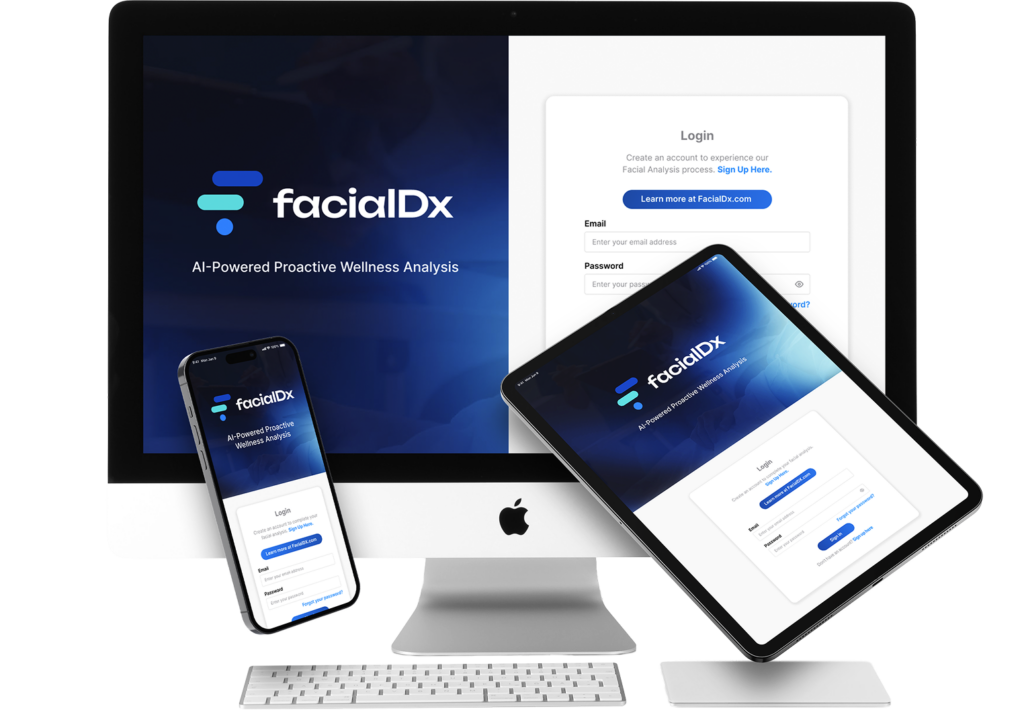
FacialDx provides a non-invasive AI screening platform designed to support preactive health and wellness analysis across sports, rehabilitation, and recovery environments.
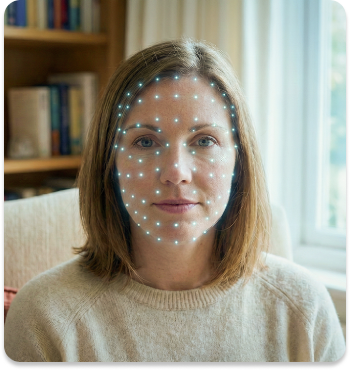
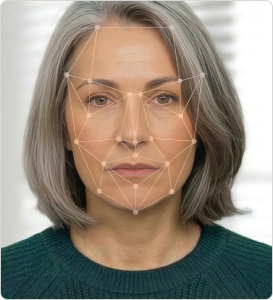
Using proprietary machine learning models, FacialDx analyzes facial variables correlated with health and wellness indicators by processing over 13,824 algorithmic data points and configurations. These patterns may be associated with neurological strain, cognitive load, fatigue, stress, and physiological changes commonly observed during injury recovery and high-performance training cycles.
FacialDx functions as a scalable screening layer that enhances visibility between formal assessments and supports more informed rehabilitation and performance decisions.
How FacialDx Fits Into Sports and Rehab Workflows
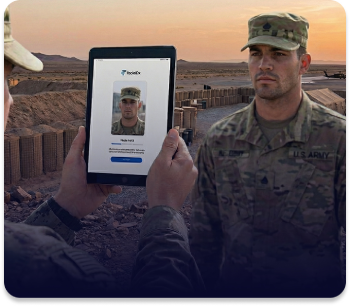
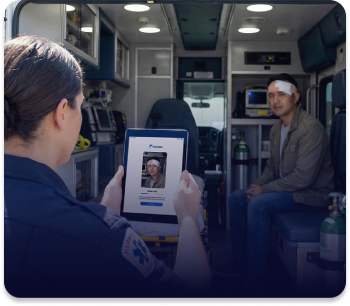
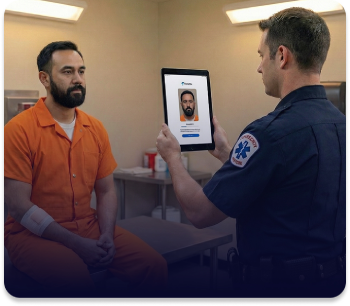
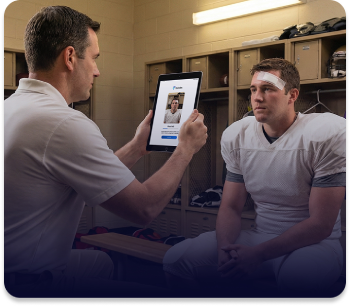
FacialDx integrates into sports medicine, rehabilitation, and performance programs using standard consumer-grade devices. Screening can occur during intake, throughout rehabilitation, during return-to-play progression, or as part of routine wellness monitoring.
The system captures facial data in seconds, analyzes physiological feature patterns, and generates secure wellness insights that can be reviewed by care teams, performance staff, or integrated into enterprise systems.
This allows organizations to increase assessment frequency without increasing clinician workload.
Injury Prevention and Early Intervention
Injury prevention begins with understanding how an athlete’s body responds to training load, stress, fatigue, and recovery. Subtle neurological or physiological changes often precede visible injury but remain difficult to detect with traditional tools.
FacialDx supports early identification of wellness patterns that may indicate elevated risk, allowing teams to adjust training, recovery protocols, or clinical oversight before injury occurs.
For insurers and institutions, early wellness analyses that can be employed in a variety of environments directly reduces downstream claims, medical utilization, and long-term liability.
Post-Injury Rehabilitation Monitoring at Scale
Rehabilitation programs depend on consistent assessment to determine progress, readiness, and risk of reinjury. However, frequent in-person evaluations are expensive, time-intensive, and impractical at scale.
FacialDx enables repeated, non-invasive wellness screening throughout the rehabilitation process. This increases visibility between visits and helps care teams identify when additional intervention may be warranted.
The result is more personalized rehabilitation pathways and better allocation of clinical resources.
Mental Health and Cognitive Load Awareness in Recovery
Injury recovery is not purely physical. Psychological stress, cognitive load, and emotional strain can significantly impact healing timelines and outcomes.
FacialDx supports awareness of wellness patterns associated with stress and cognitive burden during rehabilitation. This helps organizations identify when additional support may be beneficial and reduces the likelihood of prolonged or incomplete recovery.
Performance Optimization and Return-to-Play Confidence
Performance readiness is a critical decision point for athletes and organizations. Returning too early increases reinjury risk, while returning too late carries performance and financial consequences.
FacialDx provides an additional layer of objective wellness insight to support return-to-play decisions. By tracking changes over time, teams can make more informed decisions grounded in consistent data rather than isolated observations.
Reducing Medical Costs and Operational Strain
By improving early screening, rehabilitation oversight, and prevention, FacialDx helps reduce reliance on expensive downstream interventions.
Organizations benefit from fewer unnecessary evaluations, more targeted use of advanced testing, and improved clinician efficiency. For insurers, this translates into lower claims costs and improved risk management across insured populations.
Extending Athlete Longevity and Protecting Investments
Athletes represent long-term investments for teams, schools, and leagues. Career-ending injuries, repeated setbacks, and chronic conditions erode both performance and financial return.
FacialDx supports long-term athlete health management by enabling proactive monitoring throughout training, competition, and recovery cycles. This helps protect high-value athletes and extend productive careers.
Enterprise Deployment and Scalability
FacialDx is designed for deployment across professional leagues, collegiate programs, school systems, rehabilitation networks, and insurance portfolios. The platform supports population-level screening while maintaining individual-level insight.
Flexible enterprise pricing models allow organizations to scale efficiently while aligning cost with utilization. To learn more, simply complete this contact form and one of our team will promptly get back to you.
Frequently Asked Questions (FAQ's) Sports and Post-Injury Rehab Enterprises
1. What is FacialDx used for in sports and rehabilitation?
FacialDx supports non-invasive wellness screening to enhance injury prevention, rehabilitation monitoring, and performance oversight.
2. Is FacialDx a diagnostic tool for sports injuries?
No. FacialDx is not a diagnostic device and does not replace medical evaluation or imaging.
3. How does FacialDx support post-injury rehabilitation?
It enables repeated wellness screening between formal assessments, improving visibility into recovery progression.
4. Can FacialDx help reduce reinjury risk?
By supporting early awareness of wellness changes, FacialDx helps organizations intervene before setbacks occur.
5. Does FacialDx work for professional and collegiate sports?
Yes. FacialDx is designed for use across professional, collegiate, and institutional sports programs.
6. Can FacialDx be used in youth or school sports?
Yes. FacialDx supports scalable wellness screening across school and youth sports environments.
7. How does FacialDx help insurers reduce costs?
It supports prevention, earlier intervention, and more efficient rehabilitation pathways, reducing claim severity and duration.
8. Does FacialDx require specialized equipment?
No. FacialDx operates on standard consumer-grade devices.
9. How often can FacialDx screenings be performed?
Screenings can be conducted frequently due to their non-invasive and rapid nature.
10. Can FacialDx support mental health awareness in athletes?
FacialDx provides wellness insights associated with stress and cognitive load in a non-diagnostic manner.
11. Is FacialDx compliant with healthcare privacy standards?
Yes. FacialDx is designed with HIPAA- and GDPR-aligned data governance.
12. Can FacialDx integrate with sports performance systems?
Yes. FacialDx supports enterprise integrations through APIs.
13. Does FacialDx replace athletic trainers or clinicians?
No. FacialDx complements existing medical and performance teams.
14. How does FacialDx improve return-to-play decisions?
It provides additional objective context to support readiness assessment over time.
15. How can sports organizations get started with FacialDx?
Organizations can contact the FacialDx team to schedule a demo and receive a customized deployment plan.