








Correctional & Institutional Wellness

Advancing Wellness Evaluation, Readiness, and Operational Safety Through Non-Invasive Facial Screening

FacialDx provides a rapid wellness assessment layer that helps correctional administration, treatment leadership, and judicial agencies improve awareness, reduce operational risk, and channel attention where it is needed most

Correctional facilities, rehabilitation centers, probation departments, juvenile detention operations, and residential treatment institutions all operate under unique pressure. Staff and officers work in high-stress environments; incarcerated individuals and program participants often arrive with extensive histories of trauma, substance use, or chronic mental strain; and institutional leadership is under increasing pressure to improve safety, reduce risk, and create healthier operational environments.

Despite this need, most systems still depend on traditional intake forms, occasional wellness checks, delayed psychological evaluations, post-incident reports, or self-disclosure. These processes miss early signs of distress among frontline staff and visitors, and they rarely detect subtle changes in inmate or resident wellness until deterioration becomes disruptive, dangerous, or expensive to manage.

FacialDx was developed to improve early-stage wellness insights using non-invasive, AI-assisted facial screening—delivering objective analysis in seconds without positioning itself as a diagnostic or medical decision-making tool. It provides a rapid wellness assessment layer that helps correctional administration, treatment leadership, and judicial agencies improve awareness, reduce operational risk, and channel attention where it is needed most.

correctional wellness analysis technology

The Growing Wellness Challenge in Correctional & Institutional Environments

Correctional infrastructures—from prisons to probation offices—manage populations with some of the highest rates of stress and behavioral risk in the country. Officers face burnout, emotional fatigue, recurrent exposure to trauma, and an increasing number of behavioral-health incidents. Simultaneously, residents, inmates, and program participants often arrive with untreated conditions, long histories of trauma, or chronic lifestyle instability.

Institutional leaders understand these risks, but many systems run on outdated processes that cannot keep up with the demand for rapid, efficient wellness evaluations. Intake screenings provide a moment-in-time snapshot, yet individuals’ wellness states can shift dramatically throughout incarceration or participation in residential programs. Staff wellness is even harder to monitor because culture, stigma, and staffing shortages discourage self-reporting.

This gap leaves facilities vulnerable to crises, sudden behavioral escalations, preventable medical events, unexpected staff absenteeism, and liability exposure. Without efficient tools for early detection of wellness concerns, institutions spend more time reacting than preventing.

See How FacialDx Can Work for Your Enterprise

Why Early Wellness Awareness Matters for Corrections, Probation, and Rehabilitation

Correctional and residential institutions are high-stakes environments where early detection of changes in wellness can substantially influence outcomes. Subtle shifts in stress, fatigue, or emotional strain—when overlooked—can escalate into violence, self-harm, staff injuries, contraband-related incidents, or operational breakdowns.

Wellness deterioration among staff often leads to errors, reduced alertness, increased sick leave, and long-term retention problems. At the same time, residents or inmates who silently decline emotionally or psychologically often do so without ever reporting their struggles. Traditional scheduling rarely catches these issues until they become urgent.

Early wellness awareness supports:

  • Improved institutional stability

  • Better staff readiness and morale

  • More efficient triage decisions

  • Faster intervention before major incidents

  • Reduced long-term care, hospitalization, or crisis-management costs

  • Overall safer environments for employees, participants, and the public

FacialDx strengthens this early-awareness layer by providing a rapid, objective, non-invasive method for analyzing wellness indicators—helping institutions recognize concerning trends sooner while staying fully within FDA-compliant, pre-diagnostic boundaries.

The Limitations of Current Correctional and Institutional Assessment Tools

Most institutions rely on a combination of written questionnaires, intake interviews, occasional mental-wellness check-ins, verbal disclosures, or post-incident evaluations. While these tools have value, they share a common flaw: none are continuous or objective enough to monitor ongoing wellness shifts in high-pressure environments.

Common gaps include:

  • Assessments that occur too infrequently to catch early warning signs

  • High rates of under-reporting among correctional staff

  • Limited resources for psychological evaluation

  • Delays between initial concern and formal assessment

  • High turnover, leaving wellness patterns invisible

  • Resident populations that cannot or will not self-report

  • Heavy administrative workload, reducing screening capacity

Correctional and institutional systems need a scalable method to strengthen their wellness insights—without replacing existing procedures or requiring medically diagnostic tools.

Correctional Wellness Analysis Technology

How FacialDx Supports Correctional Institutions with Non-Invasive Facial Screening

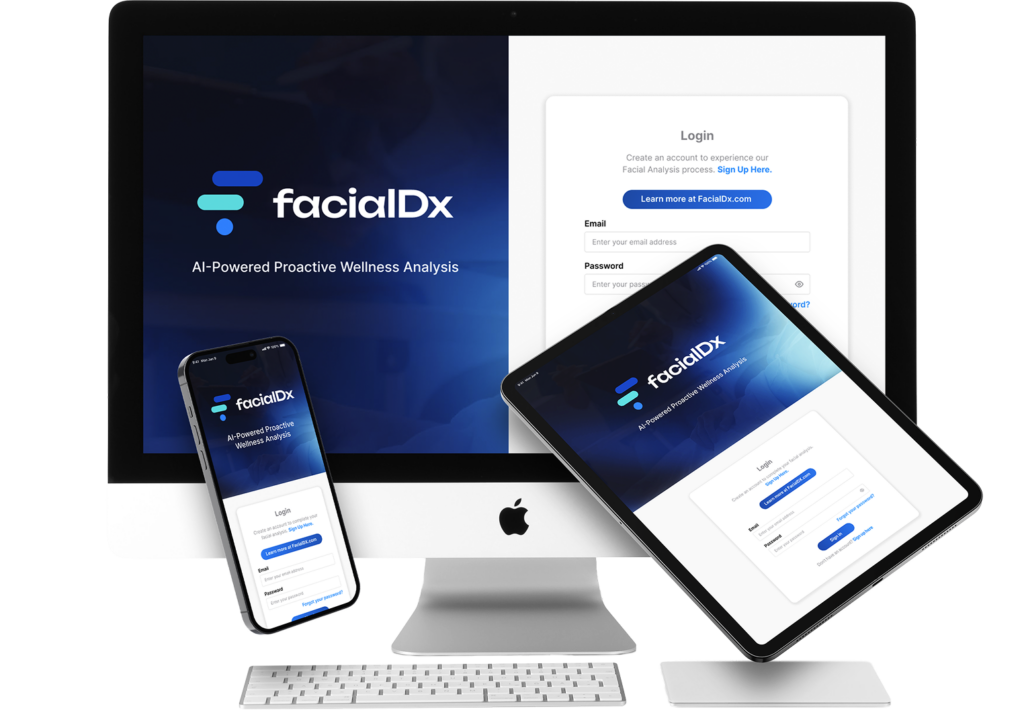
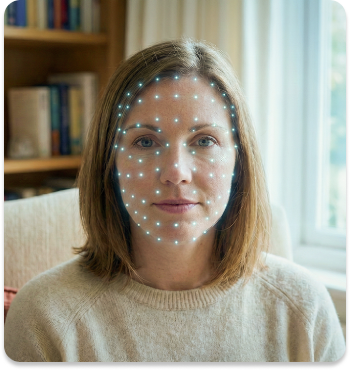
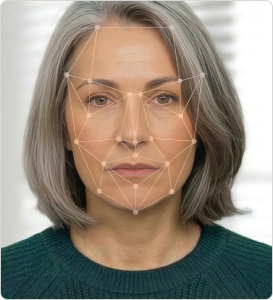
FacialDx uses non-invasive, AI-assisted facial scanning to evaluate wellness-related indicators in seconds. It does not diagnose medical conditions but instead provides a wellness-oriented analysis that supports leadership decision-making.

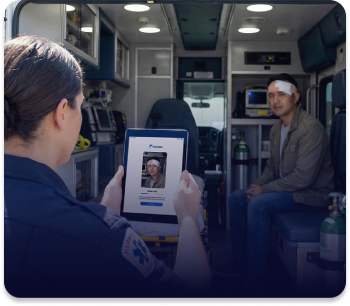
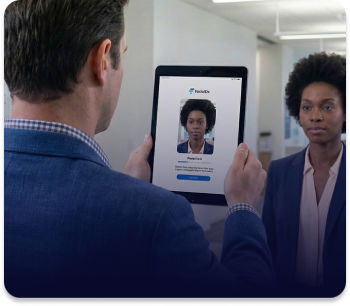
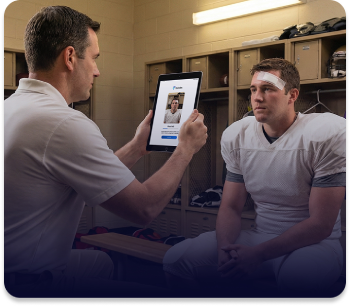
The process is simple. A standard webcam, handheld device, computer, or secure kiosk captures facial imagery. The system then evaluates facial variables using proprietary algorithms—more than 13,824 of them—to identify patterns associated with changes in physiological and psychological wellness. These insights become part of an early-awareness system that helps staff prioritize individuals who may require attention.

This is ideal for corrections and institutional enterprise because the tool:

  • Operates in seconds

  • Works with existing intake and monitoring workflows

  • Requires no physical contact and minimal training

  • Is deployable across multiple hardware types

  • Functions anywhere: officer stations, medical units, probation offices, intake rooms, or remote sites

How FacialDx Works

It is both scalable and cost-efficient, filling the gap between occasional screenings and full psychiatric assessment.

Use Cases Across the Correctional & Institutional Sector

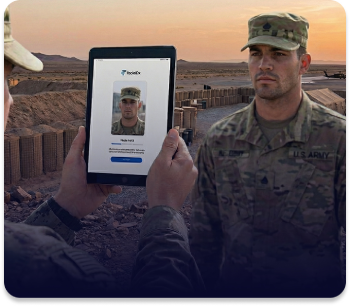
Correctional Officers & Staff

Frequent non-invasive wellness assessments help leadership identify early burnout, fatigue, or stress patterns, improving staffing decisions, readiness, and retention.

Inmates, Detainees, or Residents

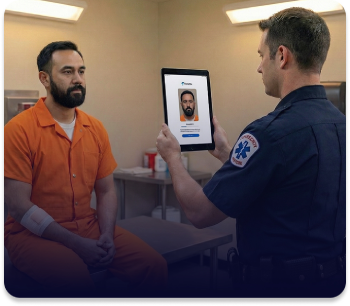
Regular wellness checks during intake, housing assignment, or program participation reveal subtle changes that may signal escalating emotional strain, risk behaviors, or the need for additional support.

Probation & Parole Departments

Officers managing large caseloads can use quick wellness assessments during check-ins to identify individuals who may need early intervention—reducing violations, reoffending, and case deterioration.

Juvenile Detention & Youth Programs

Younger populations often mask distress until it becomes severe; non-invasive screening adds an additional protective layer for early support.

Rehabilitation & Treatment Centers

Daily or weekly wellness insights help programs tailor support more effectively and reduce relapse risk.

Why FacialDx Is Uniquely Suited for Institutional and Correctional Settings

Unlike consumer facial-recognition tools, security systems, or generic AI products, FacialDx was built specifically to support wellness-focused environments with high operational risk. It is non-invasive, rapid, and designed for populations where early intervention is critical.

Key advantages include:

  • Its non-diagnostic wellness framework supports early awareness without crossing medical-device boundaries

  • It integrates seamlessly with correctional workflows

  • It requires minimal infrastructure investment

  • It reduces the administrative burden on staff

  • It enhances early detection at scale—thousands of scans per day if needed

Facilities also gain a deeper, longitudinal understanding of wellness trends that traditional methods cannot capture.

Operational and Financial Impact on Correctional Enterprises

Correctional systems often spend significant resources reacting to preventable crises. When wellness decline is detected early, facilities can meaningfully reduce medical expenditures, emergency transports, hospitalizations, officer overtime, workers-compensation claims, and turnover.

Improved staff readiness can also produce measurable savings by reducing burnout-driven resignations—a major cost driver in corrections. Meanwhile, improved resident wellness awareness can reduce incidents, accelerate recovery cycles, and stabilize facility operations.

FacialDx provides a cost-effective path to strengthening wellness insight without adding medical-device complexity or overwhelming clinical teams.

For customized enterprise pricing, contact us by phone or email.

Click here to start your free trial and experience the platform firsthand.

Frequently Asked Questions (FAQ's) Correctional & Institutional Decision-Makers

Is FacialDx a diagnostic medical tool?

No. FacialDx is not a diagnostic instrument. It provides non-invasive wellness analysis that helps organizations identify individuals who may benefit from additional attention or follow-up.

Yes. Many agencies use FacialDx for both groups to improve readiness, reduce burnout, and identify early shifts in wellness.

Most scans take only seconds, making it suitable for daily or high-frequency use.

No. Standard webcams, mobile devices, kiosks, or desktops can run the platform.

FacialDx uses encrypted transmission, strict security protocols, and enterprise-grade controls with regulatory compliance appropriate for correctional and other institutional environments.

Yes. It is designed for seamless integration without disrupting current processes.

Correctional officers, probation clients, detainees, juveniles, residential-treatment participants, and high-risk institutional populations.

No. It enhances early screening but does not replace clinical or diagnostic procedures.

Absolutely. Many organizations use it to identify wellness issues earlier, improving stability and reducing crisis events.

No. Most staff members are trained within minutes.

Pricing is customized, but most organizations find it significantly more affordable than traditional evaluation processes.  Simply contact our team for a free, no obligation quote for your enterprise.

Yes. Remote scanning works through secure web access.

No. It is entirely non-invasive and contact-free.

As frequently as your operation needs—daily, weekly, or event-triggered.

Yes. You can start with a free trial or receive a more focused hands-on demo by contacting our team.

Try the app free today!

Get Started

Ready to transform your health screening? Contact our team today.

Main Contact Form

This field is for validation purposes and should be left unchanged.

“FacialDx has revolutionized how we approach early health screening. The accuracy and speed of their AI-powered analysis has enabled us to identify conditions earlier than ever before.”

DR

Dr. Rebecca Martinez

Chief Medical Officer, Veterans Health

Want to See if FacialDx is a Fit for Your Enterprise?