









AI in Healthcare: The Promise, Power, and Precautions

Artificial intelligence (AI) is no longer just a futuristic concept—it’s here, reshaping the way we understand, diagnose, and treat health conditions. From improving patient care to streamlining hospital operations, AI is rapidly becoming one of the most transformative forces in modern medicine.

But with all its promise, AI also brings challenges that we must approach thoughtfully. Let’s explore the opportunities, risks, and real-world applications—including how companies like FacialDx are using AI to make healthcare more accessible and proactive.

AI in healthcare

How AI Is Changing Healthcare

1. Early & Non-Invasive Screening

One of the most exciting developments in AI-driven healthcare is the ability to detect potential health issues early—sometimes before symptoms are obvious.

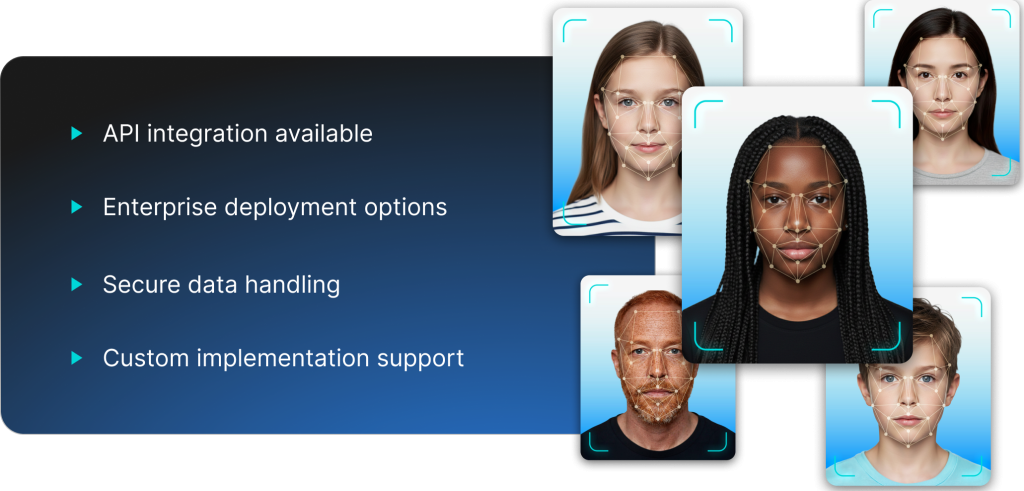
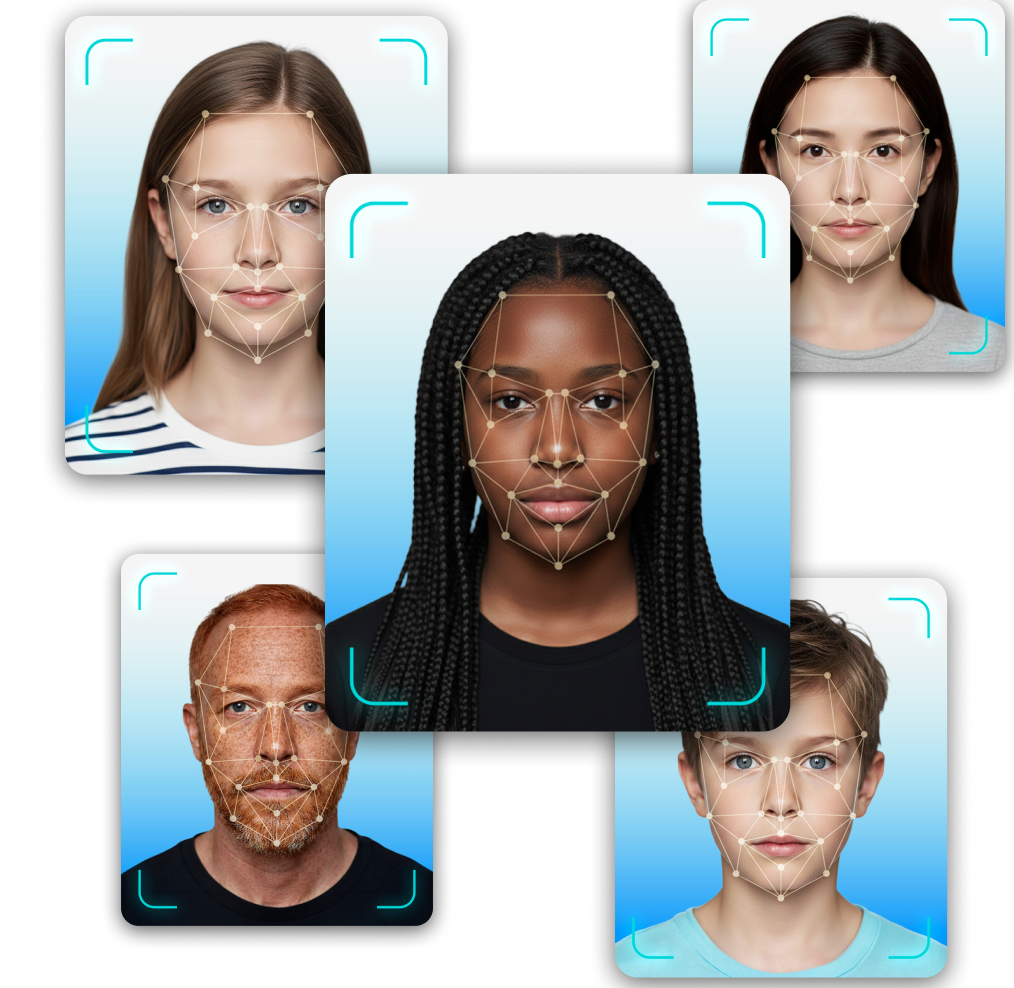
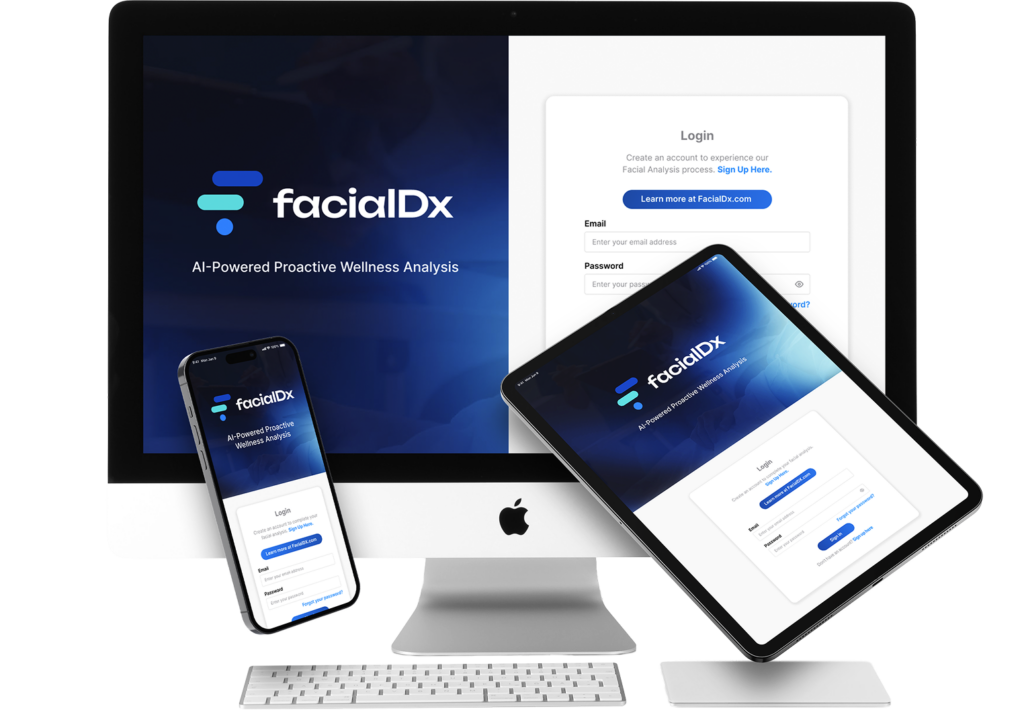
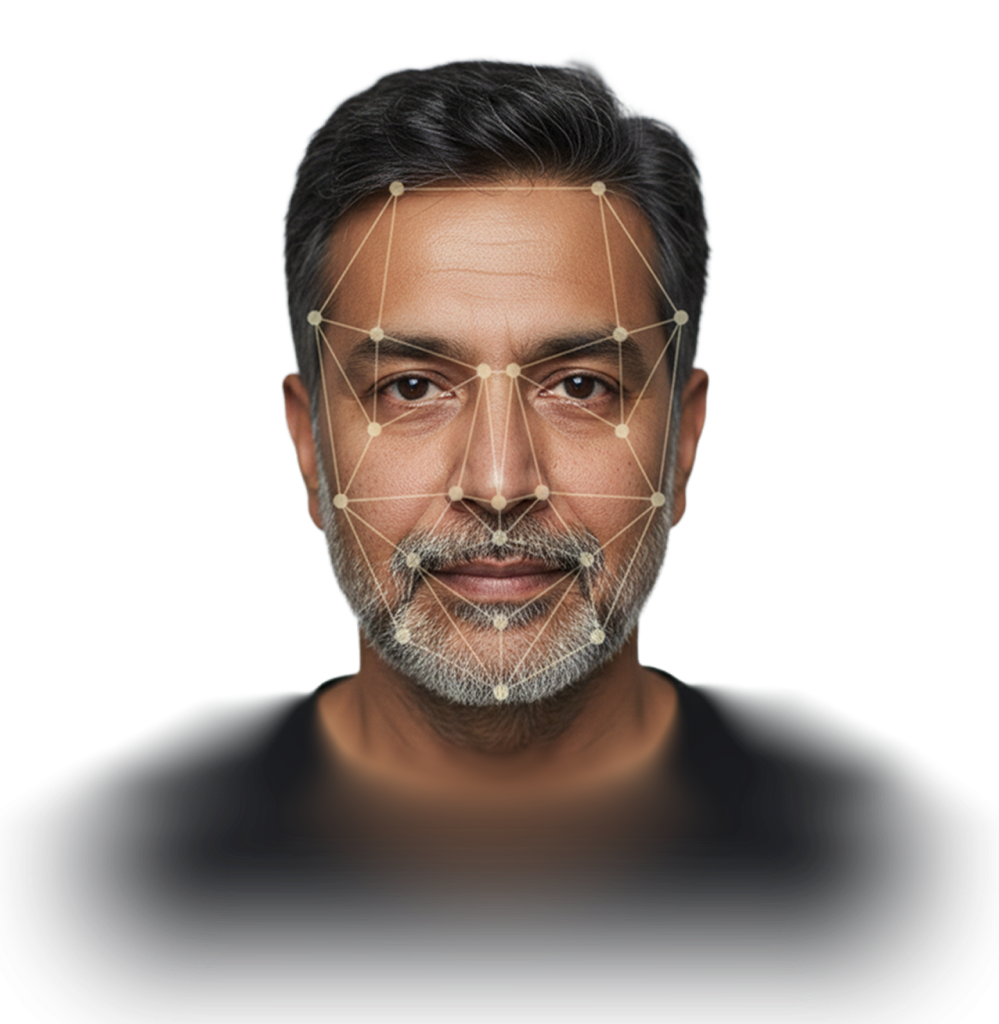
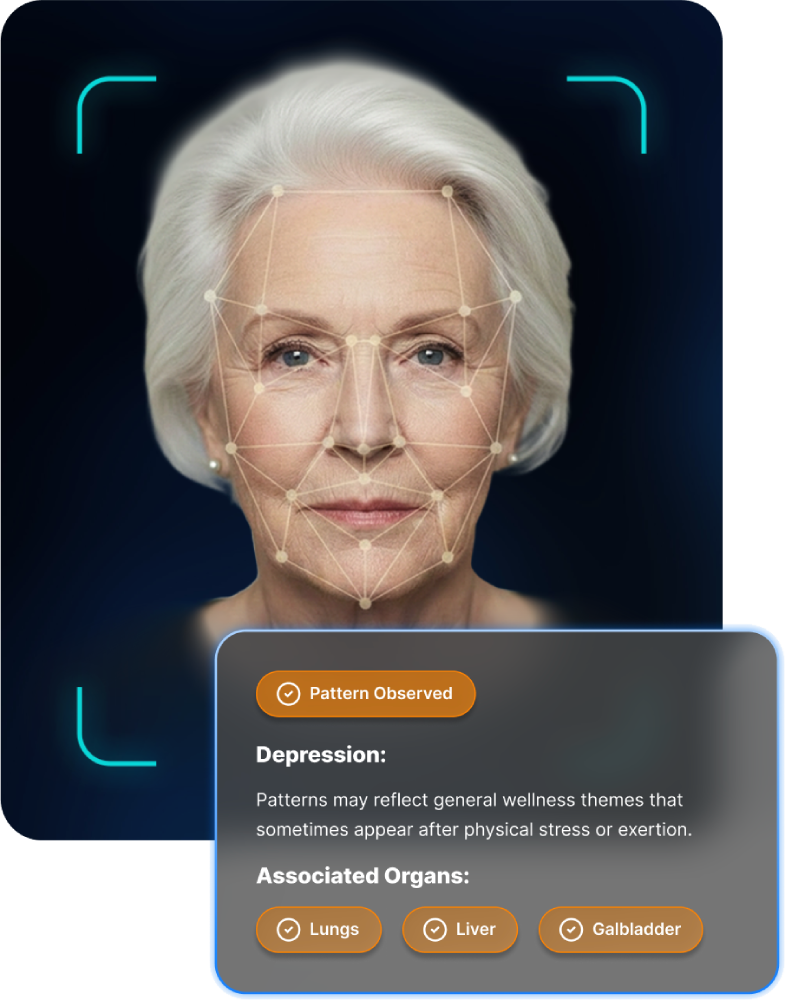
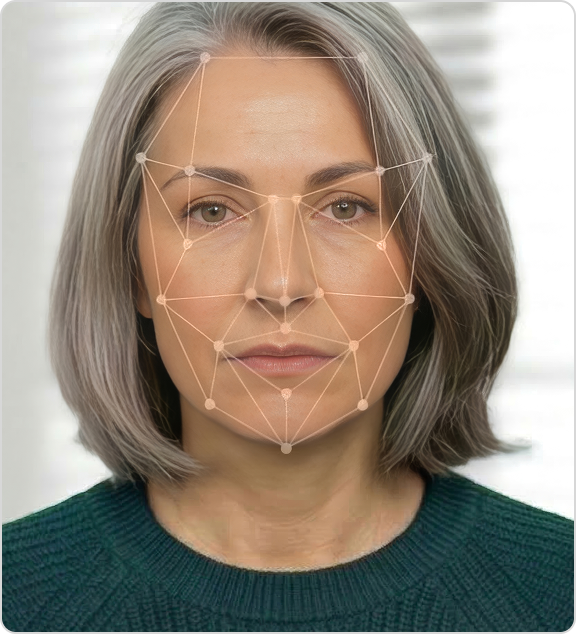
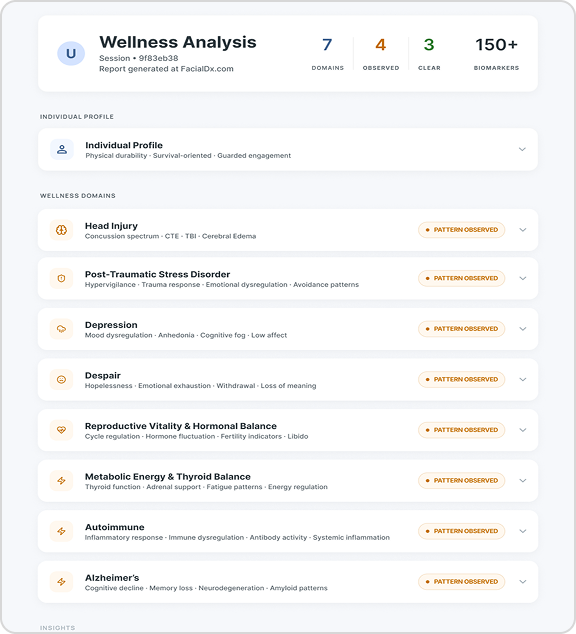
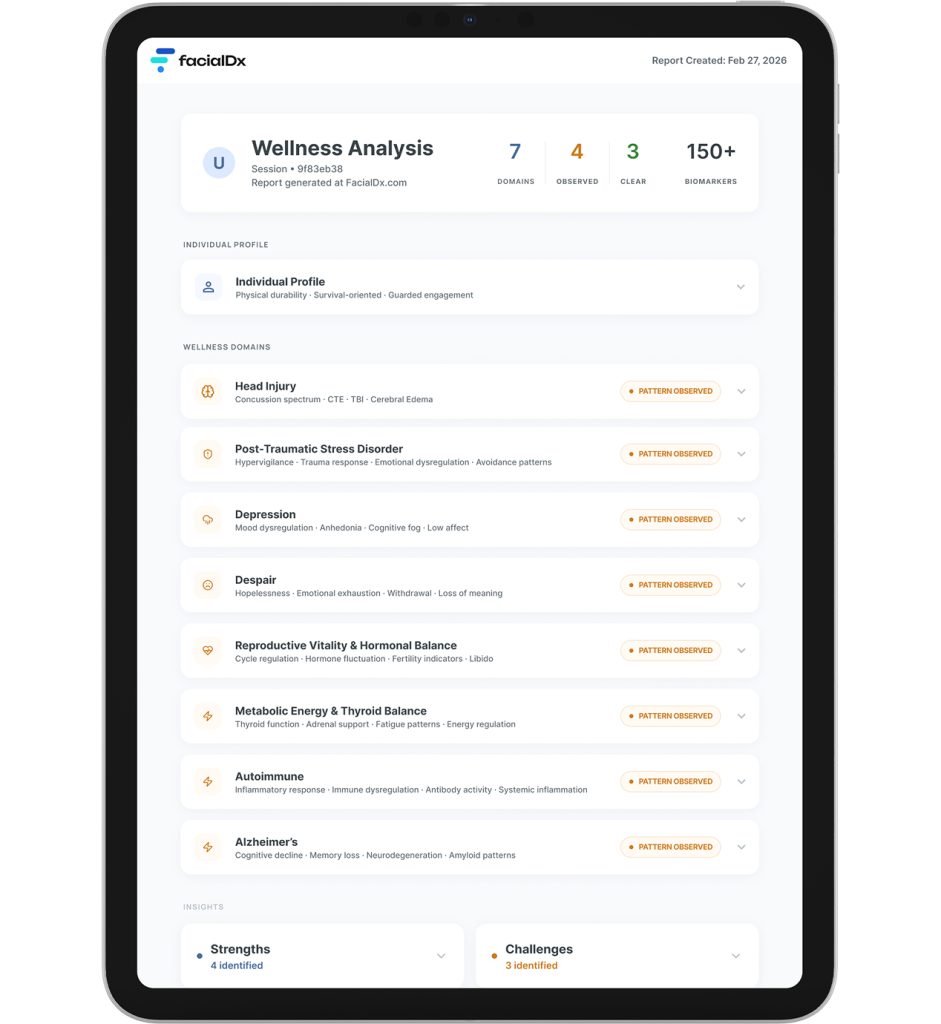
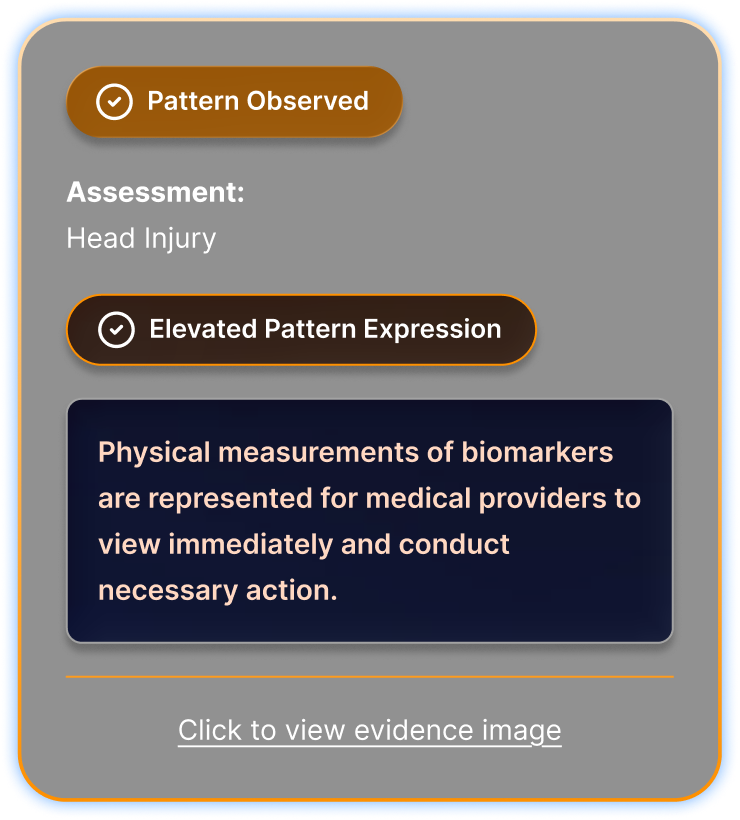
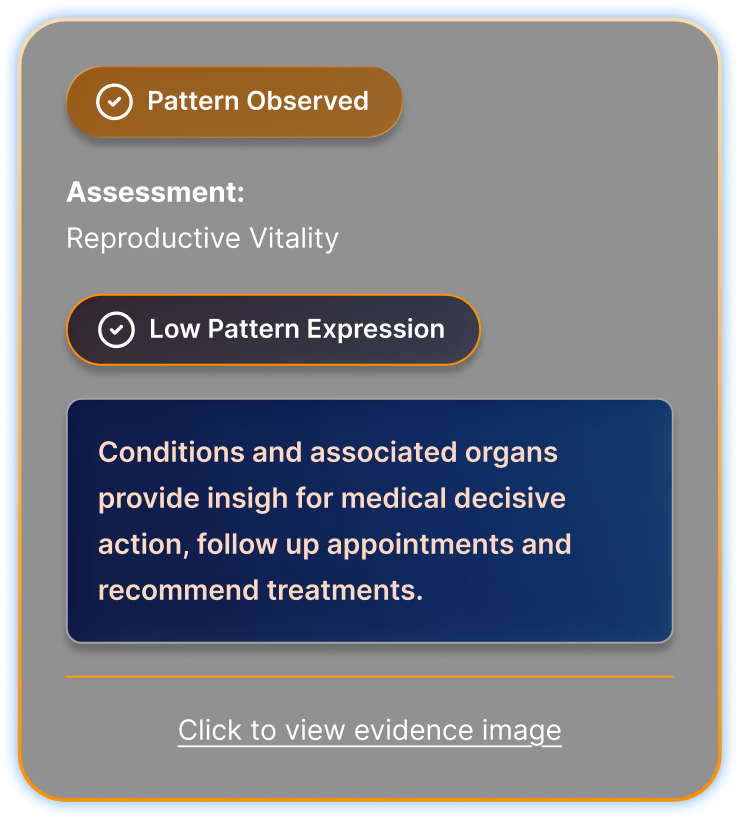
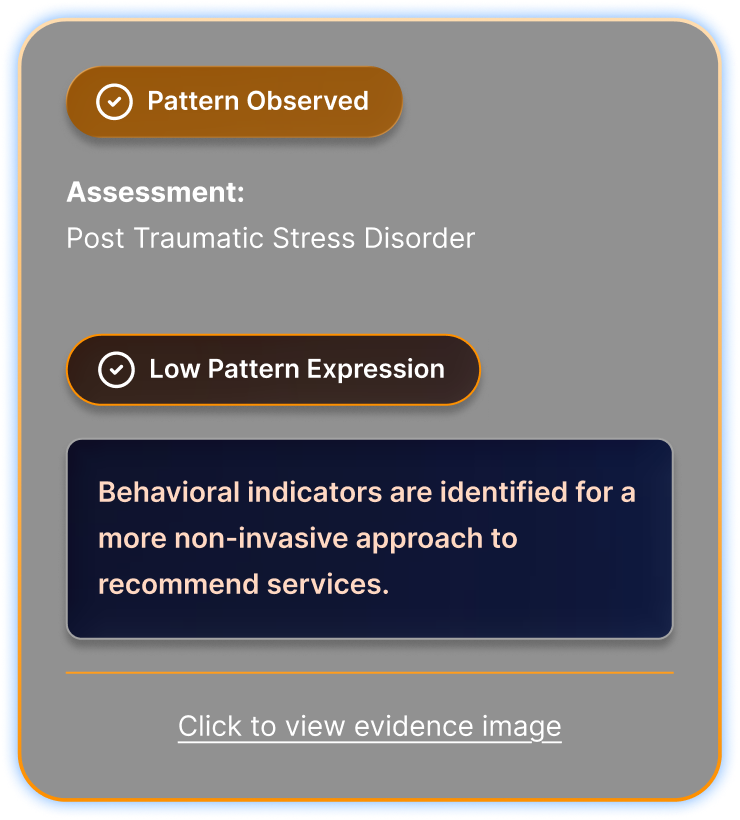
  • FacialDx has pioneered a tool that uses AI and machine learning to analyze facial features and flag possible signs of concussion, PTSD, depression, and more.
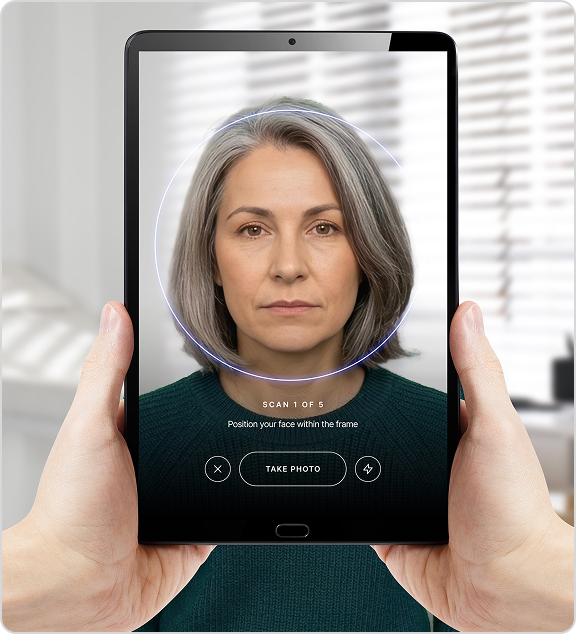
  • The process is fast, non-invasive, and accessible through mobile or web platforms, making screening more inclusive and proactive.
     

This type of technology bridges the gap between subtle early signs and full clinical diagnosis, helping patients and providers take action sooner.

Try the app free today!

2. Smarter Diagnosis & Decision Support

AI models can sift through massive amounts of data to:

  • Predict disease risk (e.g., sepsis or heart failure)
  • Assist with clinical diagnosis
  • Provide real-time decision support to physicians
     

This empowers providers to make faster, more precise choices that improve patient outcomes.

3. Enhancing Surgery & Procedures

AI-augmented robotics are making surgeries safer and more precise. From telesurgery to real-time surgical guidance, AI can reduce human error and increase the success rate of complex procedures.

4. Mental Health Support at Scale

Mental health is one area where AI could be game-changing. Tools that analyze speech, text, or even facial expressions can detect early signs of emotional distress.

  • FacialDx, for instance, applies AI to facial biomarkers, making it possible to detect subtle emotional cues linked to stress, depression, or PTSD.
  • This enables earlier intervention and better mental health care at scale.

5. Economic & System-Wide Benefits

The impact of AI isn’t just clinical—it’s financial and systemic, too.

  • Cost savings: Early detection reduces long-term treatment expenses.
  • Drug development: AI accelerates clinical trials and simulations.
  • Workforce efficiency: Automating repetitive tasks like charting and triage allows doctors to focus on patient care.
  • Patient empowerment: App-driven monitoring and personalized recommendations put more control in the hands of patients.

The Challenges We Must Address

For all its benefits, AI in healthcare is not without risks. To adopt it responsibly, we must address:

  • Bias & fairness: AI trained on incomplete or biased data may reinforce healthcare disparities.
  • Transparency & trust: Many AI models operate as “black boxes,” making decisions that even developers can’t fully explain.
  • Accountability: When AI makes an error, who is responsible—the physician or the software provider?
  • Data privacy: Patient data is sensitive, and protecting it is paramount.
  • Integration hurdles: Many tools are still in the research stage and not yet ready for routine clinical use.
  • Overhype & overreliance: AI should assist healthcare providers, not replace them.

A Balanced Path Forward

AI has the potential to revolutionize healthcare—from helping doctors detect illnesses earlier to supporting patients with personalized mental health tools. Companies like FacialDx show what’s possible when cutting-edge technology meets compassionate care.

But we must move forward with balance. Responsible AI adoption requires:

  • Rigorous clinical validation
  • Ethical guidelines and clear regulations
  • Transparency and explainability
  • Ongoing human oversight
     

If we get this right, the future of healthcare won’t just be smarter—it will be safer, more accessible, and more humane.

Try the app free today!

Get Started

Ready to transform your health screening? Contact our team today.

Main Contact Form

This field is for validation purposes and should be left unchanged.

“FacialDx has revolutionized how we approach early health screening. The accuracy and speed of their AI-powered analysis has enabled us to identify conditions earlier than ever before.”

DR

Dr. Rebecca Martinez

Chief Medical Officer, Veterans Health

Want to See if FacialDx is a Fit for Your Enterprise?