








Rising Suicide Rates Among Former NFL Players Highlight the Need for Proactive Brain Health Monitoring

A recent study published in the Journal of Neurotrauma revealed a troubling trend: suicide rates among former NFL players increased significantly between 2011 and 2019, rising to 2.6 times higher than rates seen in former NBA and Major League Baseball players during the same period. While the total number of suicides remains statistically small, the directional shift is clear—and deeply concerning.

As awareness of chronic traumatic encephalopathy (CTE) and repetitive head trauma has grown, so too has the urgency around early indicators, mental health monitoring, and proactive wellness screening for athletes—both during and after their careers.

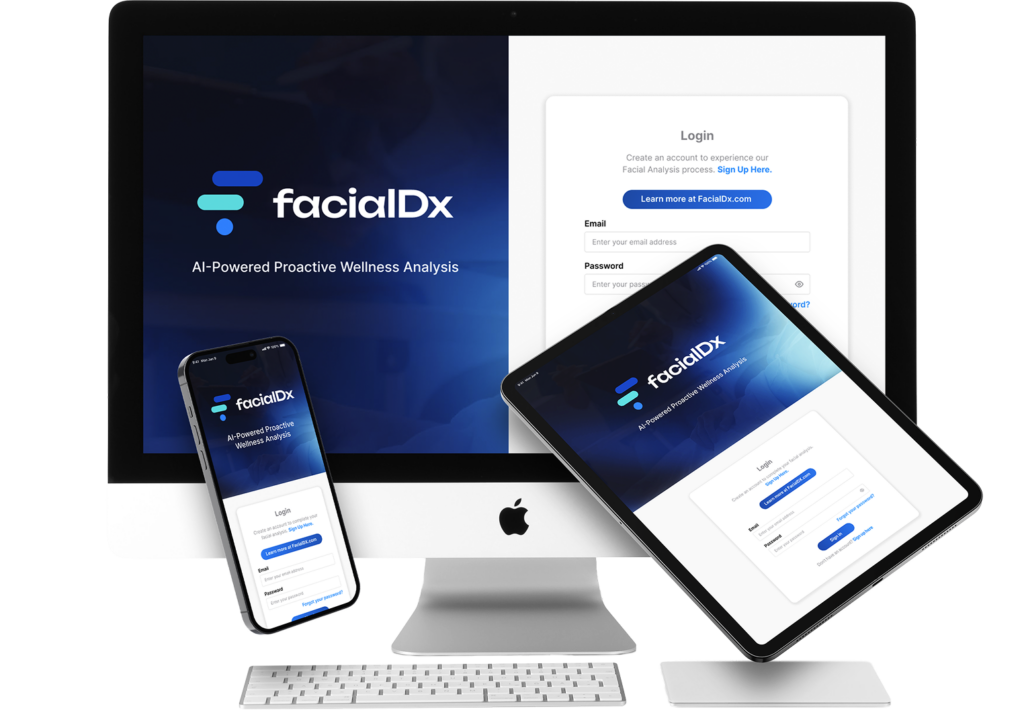
This data underscores a critical truth: waiting for symptoms to become severe is no longer acceptable. Proactive, objective, non-invasive tools like FacialDx are essential to support athlete brain health long before crises occur.

rising suicide rates of NFL players

Understanding the Link Between Repetitive Head Trauma and Mental Health

The Harvard-led Football Players Health Study tracked deaths among former NFL, NBA, and MLB players dating back to 1979. From 1979 to 2010, suicide rates across all three leagues were statistically similar and below the national average. However, beginning in 2011, former NFL players diverged sharply.

This timeframe closely aligns with increased public awareness of repetitive head trauma and CTE, a neurodegenerative condition associated with cumulative brain injury and currently diagnosable only after death.

Researchers caution against oversimplification. According to senior study author Rachel Grashow, the elevated suicide risk likely reflects multiple contributing factors, including untreated medical conditions, psychological stress, and beliefs about irreversible brain damage.

One especially striking finding from related research: Nearly one-third of former NFL players experiencing symptoms such as depression, sleep disorders, or cognitive issues believed they had CTE, and this group was five times more likely to experience suicidal thoughts.

The takeaway is clear: perception, uncertainty, and lack of objective insight into brain health can be just as dangerous as injury itself. This is where FacialDx fits in – to step in early in the process for wellness perception, to be used as an ongoing monitoring tool, and to address uncertainty, all while providing a revolutionary level of objectivity.

Why Early Brain Health Indicators Matter for Athletes

A critical challenge in addressing athlete mental health is the absence of real-time, objective, and scalable indicators of neurological wellness. CTE researchers have not yet identified a definitive symptom profile that allows for diagnosis during life—yet many of the associated symptoms are treatable.

This creates a dangerous gap:

  • Athletes experience cognitive or emotional changes
  • They assume irreversible brain damage
  • They delay or avoid treatment
  • Mental health deteriorates further

Early detection and continuous monitoring of wellness indicators can interrupt this cycle.

This is where proactive athlete wellness platforms play a vital role—shifting the focus from post-mortem diagnosis to preventive, data-driven health insights.

Athlete Wellness Tracking Technology and Brain Health Monitoring

Modern sports wellness tracking technology is evolving beyond performance metrics alone. The future of athlete care lies in holistic monitoring—integrating physical, neurological, and mental health indicators into a single, objective view.

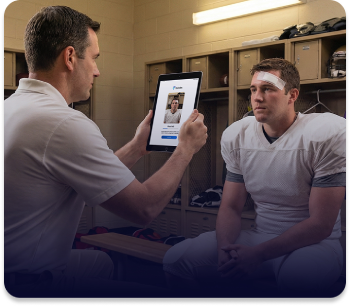
FacialDx is designed to support this shift by:

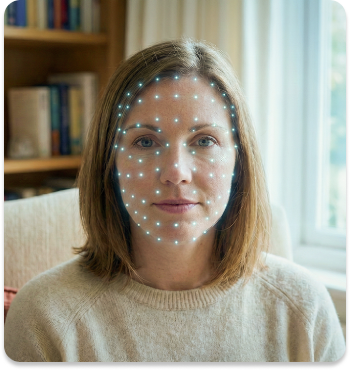
  • Providing non-invasive wellness indicators
  • Tracking neurological and cognitive health patterns over time
  • Supporting early intervention conversations
  • Reducing reliance on subjective self-reporting alone

Rather than diagnosing disease, FacialDx helps surface potential risk signals—giving clinicians, rehab professionals, and organizations actionable insight earlier, when outcomes can still be meaningfully improved.

For retired athletes, veterans, and high-impact sports participants, this kind of continuous monitoring is especially critical during periods of transition, when structured medical oversight often decreases.

Mental Health Screening for Former Athletes and High-Risk Populations

Former NFL players are not alone in facing elevated neurological and mental health risk. Similar challenges exist across:

  • Contact sports athletes
  • Post-injury rehab patients
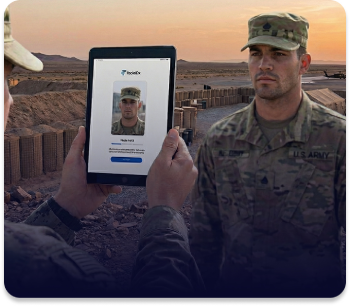
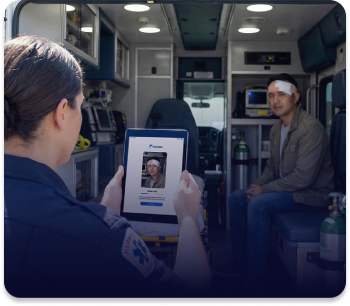
  • Veterans and first responders
  • High-stress, high-impact professions

In all of these groups, objective wellness screening tools can help reduce stigma, improve early detection, and guide timely care.

The Harvard study emphasizes that treating symptoms matters—even when underlying causes are uncertain. Depression, sleep apnea, hormonal imbalance, and cognitive impairment are all manageable when identified early.

Technology-enabled screening platforms like FacialDx help ensure these symptoms are seen, tracked, and addressed—not dismissed or internalized.

Moving From Awareness to Action in Athlete Brain Health

The NFL and NFL Players Association have expanded mental health and wellness resources in response to growing evidence. But access alone is not enough. Athletes need:

  • Clear signals when something is changing
  • Confidence to seek help without assumptions
  • Data that supports proactive care decisions

This study reinforces an urgent need to move from reactive treatment to preventive monitoring—from awareness to action.

By integrating objective wellness indicators into sports medicine, rehab, and post-career care, we can reduce uncertainty, improve outcomes, and potentially save lives.

Try FacialDx Free: A Proactive Approach to Brain Health & Wellness

screening for athletes and high-risk populations.

Whether you’re supporting:

  • Active or retired athletes
  • Sports rehab and performance programs
  • Veteran or first responder wellness initiatives
  • Post-injury recovery pathways


FacialDx helps bring clarity earlier—when it matters most.

Try FacialDx for free and explore how proactive wellness tracking can support better brain health, better conversations, and better outcomes.

Try the app free today!

Get Started

Ready to transform your health screening? Contact our team today.

Main Contact Form

This field is for validation purposes and should be left unchanged.

“FacialDx has revolutionized how we approach early health screening. The accuracy and speed of their AI-powered analysis has enabled us to identify conditions earlier than ever before.”

DR

Dr. Rebecca Martinez

Chief Medical Officer, Veterans Health

Want to See if FacialDx is a Fit for Your Enterprise?