





How Can HR Teams Use Real-Time Wellness Indicators to Reduce Worker Absenteeism?

The Growing Problem of Employees Not Showing Up to Work

Across industries, one of the most persistent operational challenges is simple but costly: employees not showing up to work. Whether in offices, hospitals, call centers, warehouses, retail locations, or among employees who work at home, absenteeism disrupts productivity, increases workload on present staff, and creates operational instability.

When workers repeatedly miss shifts, arrive unable to function well, or call out unexpectedly, organizations face missed deadlines, staffing shortages, reduced service quality, and higher labor costs. According to workforce data from the National Institute of Health, millions of workdays are lost every year due to employee absence.

HR leaders know that absenteeism rarely happens without warning. In many cases, employees show signs that they are not doing okay before they stop showing up to work.

Why Traditional Absence Monitoring Is Reactive

Most HR departments only act after a pattern has already formed—multiple call-outs, missed shifts, or declining reliability. By that point, the absence problem is already affecting operations.

Traditional methods include attendance tracking, supervisor reporting, or employee self-disclosure. These tools show what already happened, but they rarely provide early signals that a worker may be struggling before absences begin.

Employees often do not report when they are overwhelmed, fatigued, or not functioning well. Some may not recognize it themselves. Others may avoid speaking up due to workplace culture or fear of negative consequences.

This creates a gap: HR needs earlier, objective indicators that someone may not be okay—before attendance becomes a problem.

FacialDx: A New Tool for Absenteeism Prevention

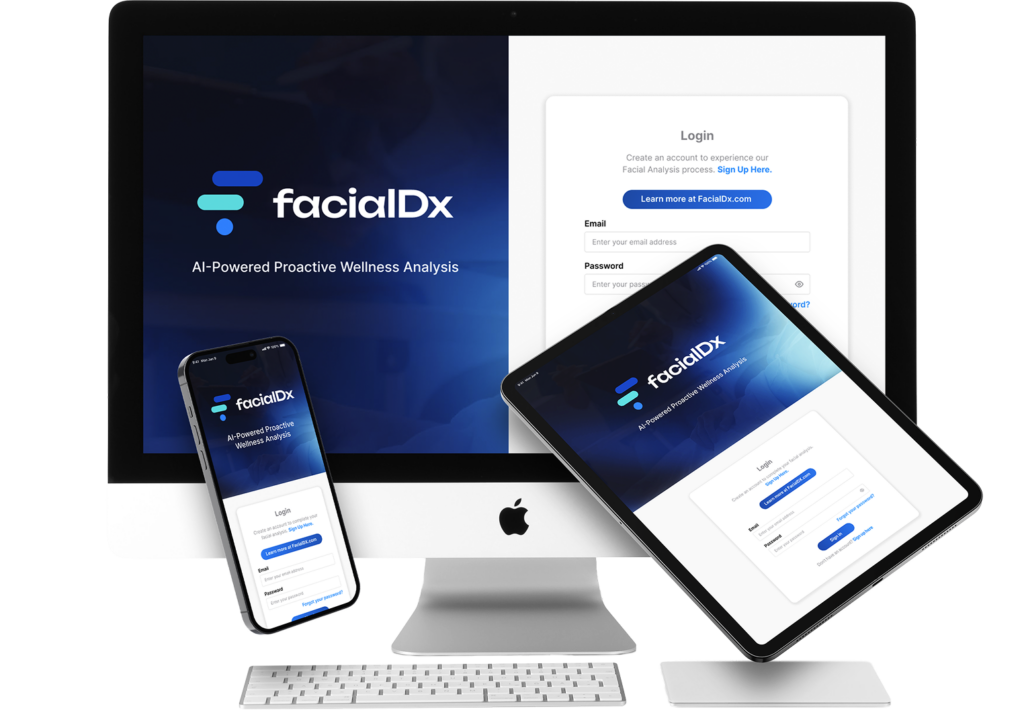
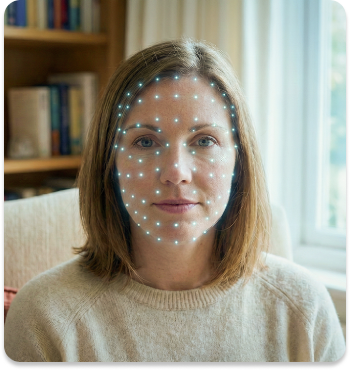
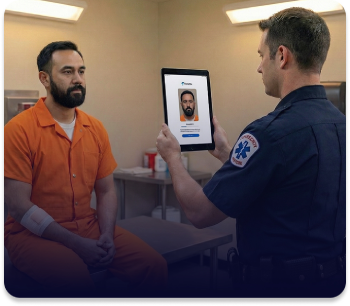
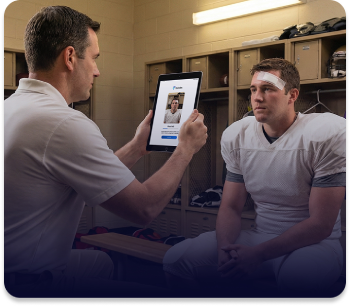
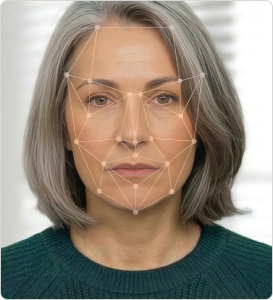
FacialDx provides FDA-safe, non-diagnostic wellness indicators using advanced facial signal analysis. The platform does not diagnose or treat medical conditions. Instead, it provides signals related to fatigue, stress load, and overall wellness that may help identify when someone is not doing well.

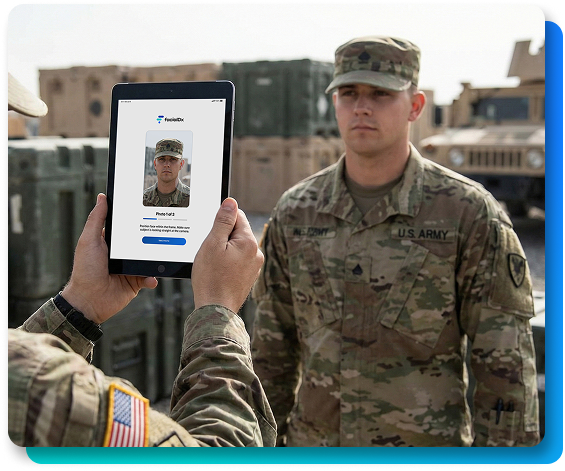
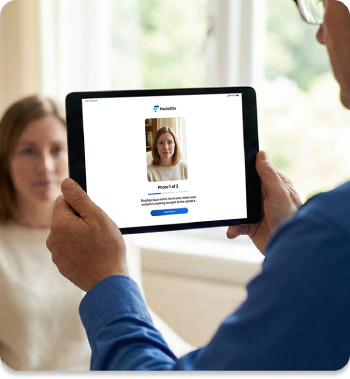
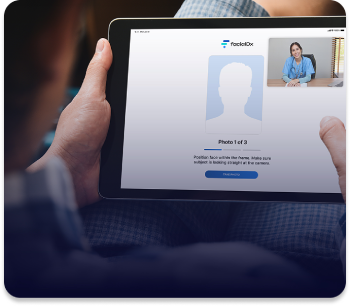
FacialDx allows voluntary, quick wellness check-ins that take only seconds. HR teams receive aggregated wellness indicators that can help reveal patterns showing when workers may be struggling—even before they stop showing up to work.

This shifts HR from reacting to absence toward preventing it.

Identifying When a Worker May Not Be Okay

Employees often miss work after a period of declining wellness. FacialDx can help HR identify early indicators suggesting someone may not be doing well, enabling supportive action before attendance declines.

For example:

In a manufacturing environment, a normally reliable worker begins showing wellness indicators suggesting fatigue or reduced readiness. HR can check in early, adjust schedules, or provide support before the worker begins missing shifts.

In a healthcare setting, a staff member working long hours shows signs they are not functioning at their best. Early awareness allows supervisors to provide recovery time or redistribute workload, helping maintain attendance and continuity of care.

In a corporate office, an employee working under sustained pressure begins showing indicators that they are not okay. A simple HR outreach, workload adjustment, or support resource may prevent the employee from disengaging or calling out repeatedly.

Absenteeism in Remote and Work-at-Home Employees

Employees who work at home present a unique challenge. Managers often cannot see when someone is struggling until missed meetings, reduced responsiveness, or sudden absence occur.

FacialDx integrates easily into digital workflows, allowing remote employees to complete voluntary wellness check-ins. HR teams gain early insight into workforce wellness patterns without intrusive monitoring.

For example, if a remote worker begins showing indicators suggesting they are not doing well, HR can intervene early—checking in, adjusting workload, or providing support—before attendance and reliability decline.

Operational Impact of Preventing Absenteeism

When organizations reduce absenteeism, the benefits are immediate and measurable. Staffing stability improves, productivity becomes more predictable, and operational disruptions decrease. Teams experience less overload, and morale improves when coworkers are consistently present.

Early awareness also reduces the cost of last-minute staffing changes, overtime, and workflow interruptions. Most importantly, employees feel supported when organizations act before problems escalate.

Preventing absence is far more effective than reacting to it.

Practical Integration Into HR Workflows

FacialDx is designed to integrate into existing HR and workforce management processes. It can be used during onboarding, wellness programs, daily readiness checks, or periodic workforce monitoring.

The system is flexible and adaptable across industries including healthcare, manufacturing, logistics, corporate environments, retail, customer support, and remote workforces.

Organizations can begin by allowing employees to try the FacialDx app for free, observe workforce wellness indicators, and explore how the platform can be tailored to their specific environment and attendance challenges.

To learn how FacialDx can help your HR team identify when employees may not be okay and reduce absenteeism, try the app for free and contact contact@facialdx.com to explore integration and customization options.

Try the app free today!

Get Started

Ready to transform your health screening? Contact our team today.

Main Contact Form

This field is for validation purposes and should be left unchanged.

“FacialDx has revolutionized how we approach early health screening. The accuracy and speed of their AI-powered analysis has enabled us to identify conditions earlier than ever before.”

DR

Dr. Rebecca Martinez

Chief Medical Officer, Veterans Health

Want to See if FacialDx is a Fit for Your Enterprise?