









How FacialDx Helps Reduce the Cost of Emergency Triage and Intake

Emergency Departments Are Financially Strained

Emergency departments are essential but expensive pillars of healthcare systems. In the United States alone, there were approximately 130 million emergency room visits annually, placing enormous demand on clinicians, administrators, and hospital finances. ER visits are costly for both patients and providers, with the average cost of a single emergency room visit in the U.S. estimated at around $2,200 per encounter.

These costs are not just a problem for insurance plans and patients—hospitals themselves bear significant financial load. Emergency triage and intake are foundational to how care is delivered, yet they are one of the most resource-intensive phases of a patient’s journey. Hospitals must staff triage around the clock, allocate high-skill clinicians, and maintain infrastructure that can handle anything from minor ailments to life-threatening emergencies.

Against this backdrop, every minute and dollar spent during intake and triage matters.

The Hidden Cost of Inefficient Intake and Triage

Triage and intake are designed to sort patients by urgency quickly, but the methods most emergency departments use today are still largely subjective. Nurses or clinicians make rapid assessments based on visible symptoms and patient-reported complaints. These subjective evaluations are vital, but they can vary in consistency and completeness, particularly under heavy workload and stress.

The consequences are significant:

  • Higher direct costs: Every additional minute spent in intake increases labor costs and delays care for other patients.
  • Increased downstream expense: Incomplete intake assessment may lead to unnecessary imaging, labs, or longer stays later in the ED or hospital.
  • Resource misallocation: Patients with subtle neurological concerns, stress-related issues, or nuanced symptoms may be misclassified, leading to inefficient use of rooms, staff, and diagnostics.

Emergency Room Visits Are Expensive for Health Systems

Emergency departments handle enormous volume at high cost. Per the Agency for Healthcare Research and Quality (AHRQ), U.S. emergency departments recorded nearly 145 million visits in a single year, with total annual costs exceeding $76 billion. Intake and triage costs are incurred before treatment even begins, making early-stage inefficiencies especially expensive at scale. Source: AHRQ / Healthcare Cost and Utilization Project (HCUP)

The Cost of a Single ER Visit Is Often Thousands of Dollars

Emergency room encounters are costly for both providers and patients. Per analysis summarized by the National Institutes of Health (NIH), the average emergency department visit costs several hundred dollars at minimum, but commonly rises into the $1,500–$3,000+ range once diagnostics, imaging, and staffing costs are included. Even routine intake decisions can trigger significant downstream expense. Source: National Library of Medicine (NIH), HCUP-linked cost studies

Emergency Care Costs Have Risen Faster Than Inflation

Emergency department spending continues to rise year over year. Per the Centers for Medicare & Medicaid Services (CMS), emergency department costs have increased faster than general inflation, driven by higher labor costs, diagnostic utilization, and administrative complexity. Intake inefficiencies compound these pressures by increasing length of stay and resource use. Source: CMS National Health Expenditure Accounts

Subjective Intake Increases Variability and Cost

Early assessment variability contributes to higher system-wide expense. Per research published in the Journal of Emergency Medicine and NIH-backed studies, emergency intake relies heavily on clinician observation and patient self-report, which can vary widely under time pressure. This variability is associated with over-ordering of diagnostics, longer stays, and inconsistent triage decisions, all of which increase cost. Source: NIH / Journal of Emergency Medicine

Financial Pressure on Emergency Departments Is Growing

Hospitals face mounting financial strain from emergency operations. Per the American Hospital Association (AHA), emergency departments are among the most resource-intensive hospital services, often operating at or below margin due to staffing shortages, uncompensated care, and throughput challenges. Improving intake efficiency is widely cited as one of the highest-impact opportunities to reduce cost without compromising care. Source: American Hospital Association

Why These Numbers Matter for Intake and Triage

Taken together, these data show that:

  • Emergency intake decisions carry real financial consequences
  • Small inefficiencies at intake scale into millions of dollars annually
  • Lack of objective screening data increases variability, cost, and clinician burden


Taken together, these data show that:

  • Emergency intake decisions carry real financial consequences
  • Small inefficiencies at intake scale into millions of dollars annually
  • Lack of objective screening data increases variability, cost, and clinician burden


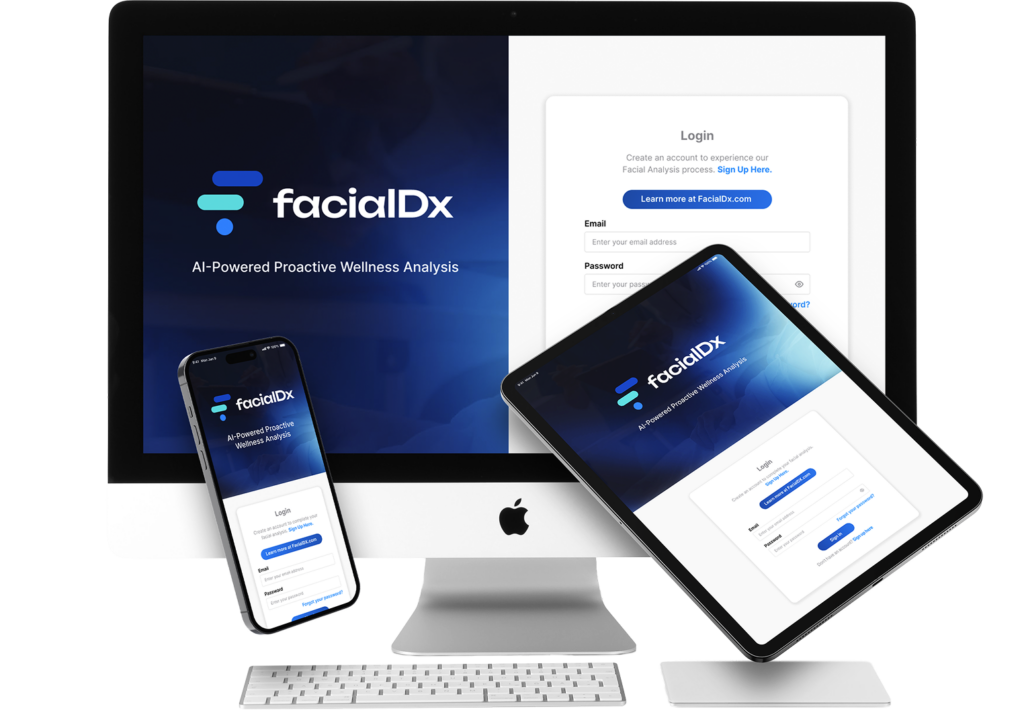
This is the gap FacialDx is designed to address: fast, affordable, objective wellness indicators delivered in under one minute, without relying solely on clinician interpretation or adding workflow burden.

Quality Gaps and Worsening Outcomes

Because emergency intake lacks objective measurable indicators, quality can vary between patients and shifts. Triage decisions are dependent on clinician judgment, which can be affected by fatigue, workload, and cognitive load—especially during peak hours.

Subtle neurological issues or wellness signals related to fatigue, stress, or early cognitive impairment can go unrecognized during intake. This lack of early visibility may lead to delayed recognition of serious conditions or unnecessary resource use on low-acuity patients. The result is not only rising costs but also poorer patient experience and longer wait times.

Why Objective Data Matters

Healthcare systems increasingly recognize that objective data can improve accuracy, consistency, and efficiency. Objective wellness indicators add measurable insight to clinical workflows, helping clinicians go beyond subjective assessment.

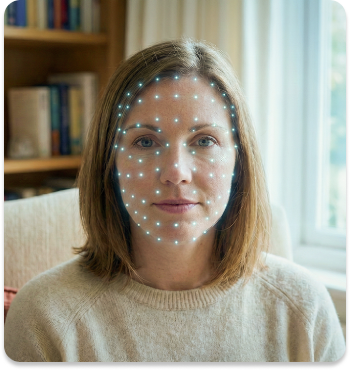
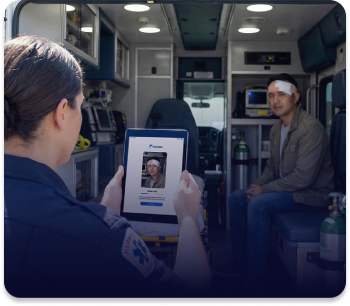
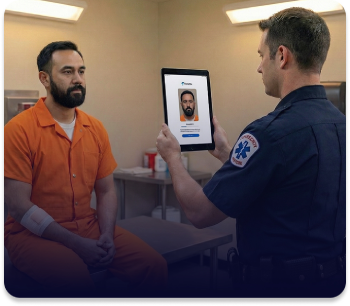
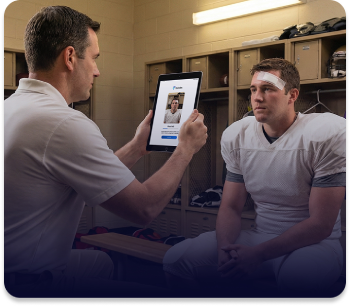
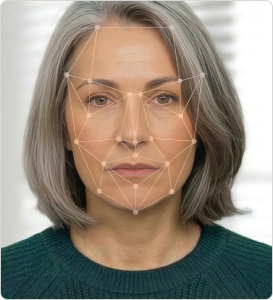
FacialDx delivers these objective data at the earliest stage of emergency care—intake and triage. In less than one minute, FacialDx provides measurable, non-invasive wellness indicators that add context to what clinicians see and hear. Unlike subjective observation alone, these indicators help clinicians identify signs of neurological stress, fatigue, or mental load that might otherwise be missed.

How FacialDx Reduces Cost and Improves Triage

FacialDx helps emergency departments reduce cost and improve quality in several key ways:

1. Objective Screening in Under One Minute

FacialDx provides fast, measurable wellness signals that support intake screening without delaying the triage process. This rapid insight helps clinicians make more informed decisions quickly, reducing the likelihood of costly downstream testing or unnecessary resource utilization.

2. Reducing Unnecessary Diagnostic Testing

By adding objective context to early assessment, FacialDx can help clinicians differentiate between patients who require extensive diagnostic workup and those who may be safely managed with standard protocols, reducing over-testing and the costs that come with it.

3. Supporting Resource Prioritization

With better visibility into patient readiness and condition signals, clinicians can prioritize beds, imaging suites, and specialist consultation more effectively. This helps reduce overcrowding and lowers the cost burden associated with prolonged stays and repeated interventions.

4. Lowering Cognitive Load and Burnout

Emergency clinicians make dozens of critical decisions daily. FacialDx supports their workflow by providing objective insight, reducing the mental strain that comes from making rapid judgment calls under uncertainty. Lower clinician burnout can translate to fewer errors, better staff retention, and lower overtime costs.

5. Scalable and Affordable Across Systems

FacialDx is designed to be scalable and affordable, making objective wellness screening accessible even for emergency departments with tight budgets or limited resources. Unlike expensive hardware or infrastructure investments, FacialDx integrates with existing workflows and delivers value immediately.

Financial Impact for Hospitals

Consider this: in 2017, emergency department visits in the U.S. aggregated to approximately $76.3 billion in total costs nationwide. When hospitals improve early screening accuracy, they can reduce unnecessary follow-on costs and better allocate expensive resources like imaging and observation beds.

Every emergency department can benefit from early, objective wellness indicators, both financially and clinically. By helping clinicians more accurately assess patients early, FacialDx supports lower total cost of care and stronger triage prioritization.

A New Standard for Emergency Intake

Emergency departments need tools that help them maintain speed, improve accuracy, and control costs. FacialDx brings measurable insight to the earliest stage of care—intake and triage—equipping clinicians with fast, objective wellness signals that do not rely solely on subjective interpretation.

FacialDx is fast, affordable, and scalable. Emergency departments can implement it into intake workflows quickly and begin seeing value immediately. It does not replace clinicians; it enhances what they already do, allowing emergency teams to reduce waste, lower costs, and improve patient care quality.

Try FacialDx free and explore how objective wellness screening can help your emergency department reduce the cost of triage and intake while supporting better clinical decisions.

Try the app free today!

Get Started

Ready to transform your health screening? Contact our team today.

Main Contact Form

This field is for validation purposes and should be left unchanged.

“FacialDx has revolutionized how we approach early health screening. The accuracy and speed of their AI-powered analysis has enabled us to identify conditions earlier than ever before.”

DR

Dr. Rebecca Martinez

Chief Medical Officer, Veterans Health

Want to See if FacialDx is a Fit for Your Enterprise?